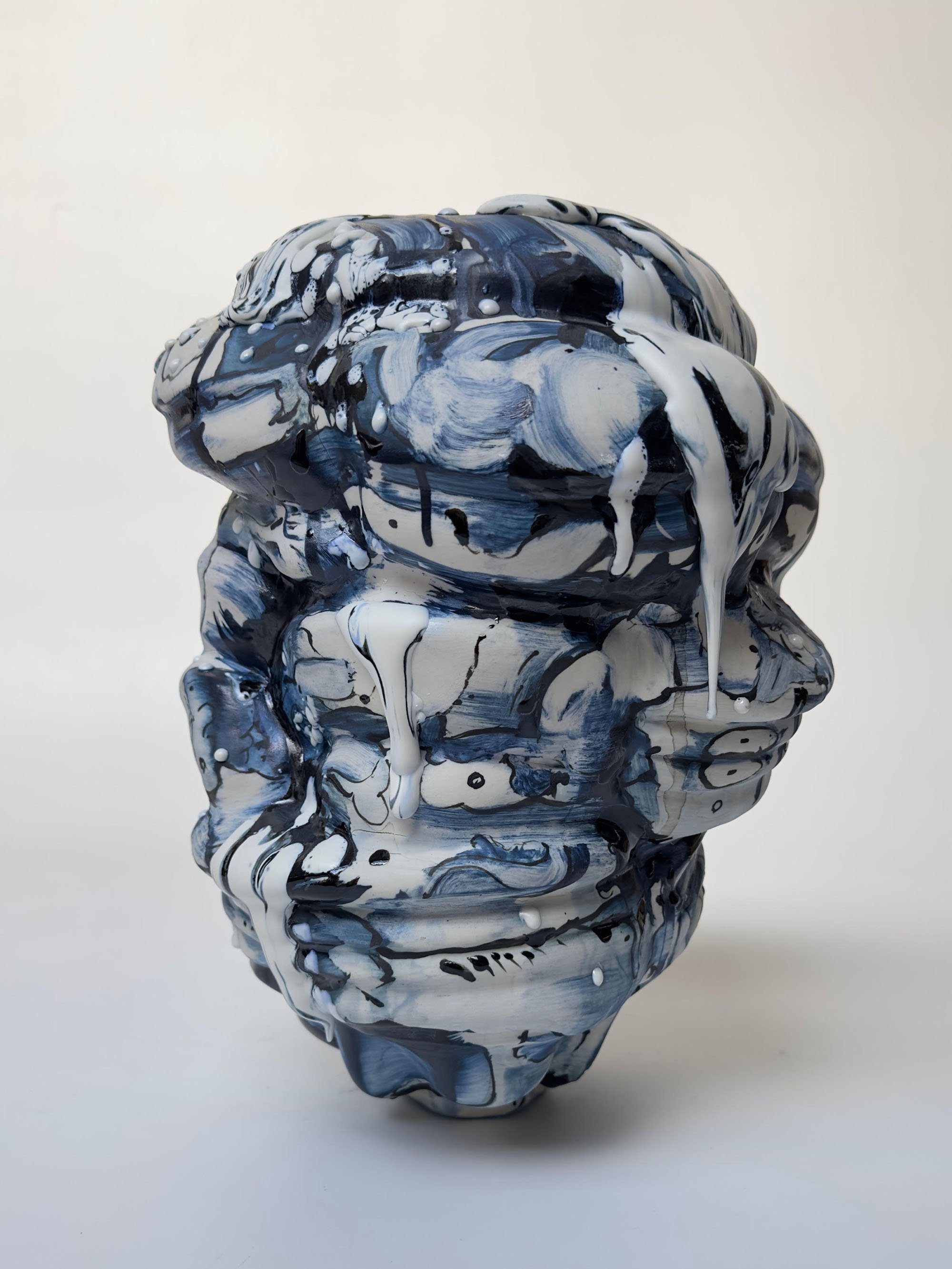
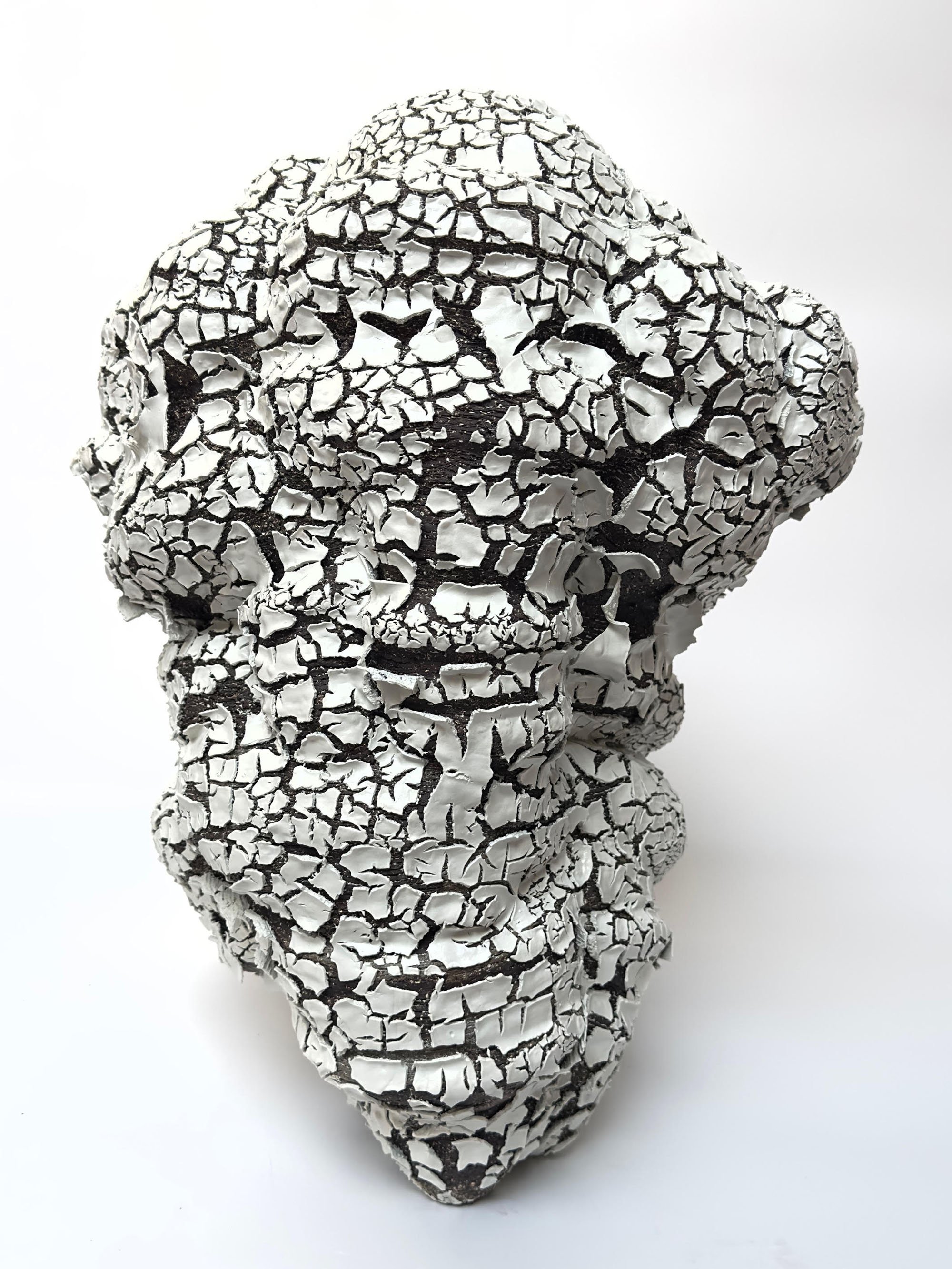
Oriel Zinaburg, ceramic artist
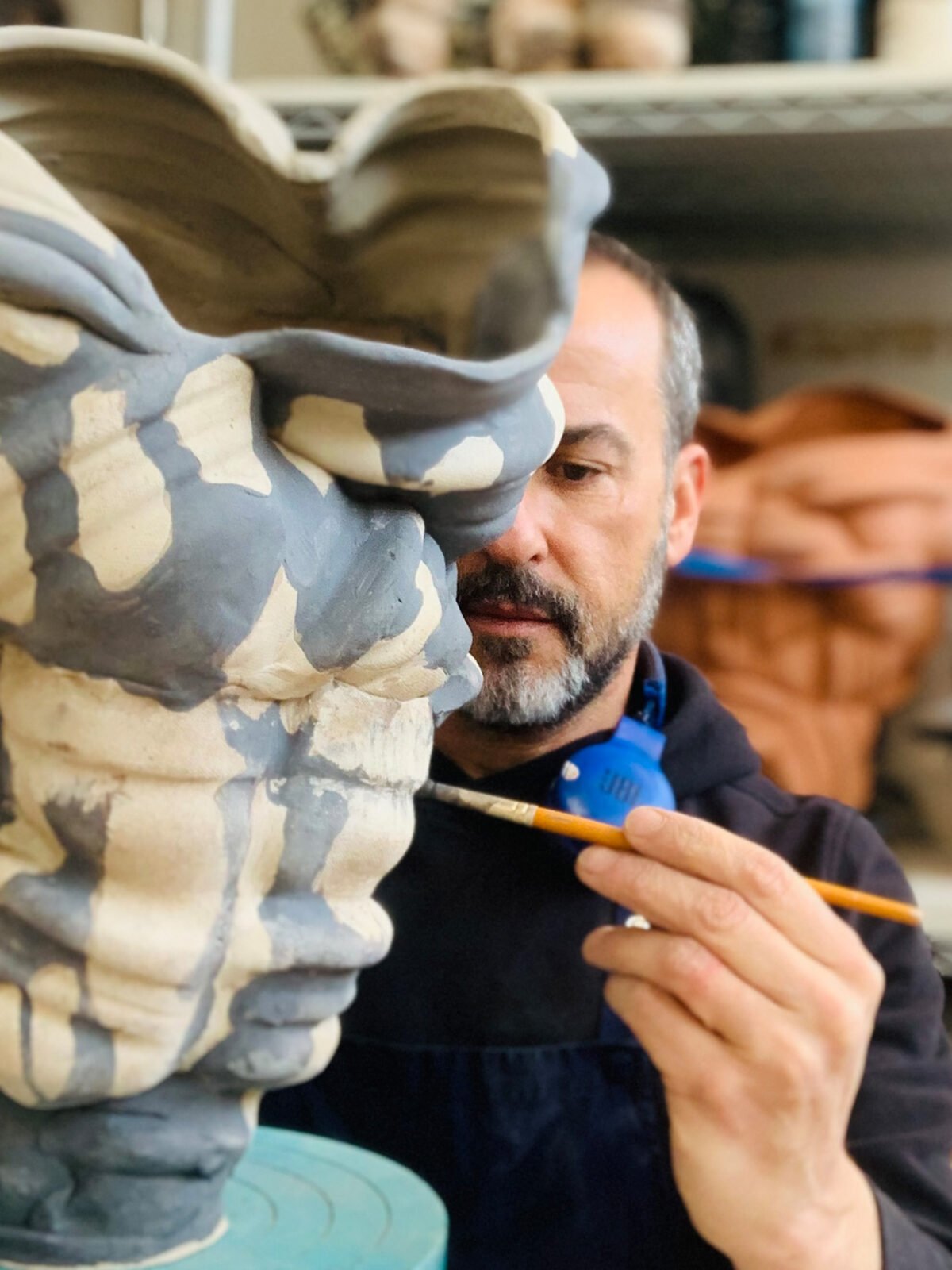
Oriel Zinaburg
I first met Oriel at Cockpit Winter 2025 Open Studios and he was busy planning for Collect 2026. His work looked fantastic there, especially Hearth which had such impact as you walked into the room. It has been great to learn more about him and his work. I especially enjoyed his comments on clay holding memory… Anyway, enough of this, read on and see for yourself.
Who are you?
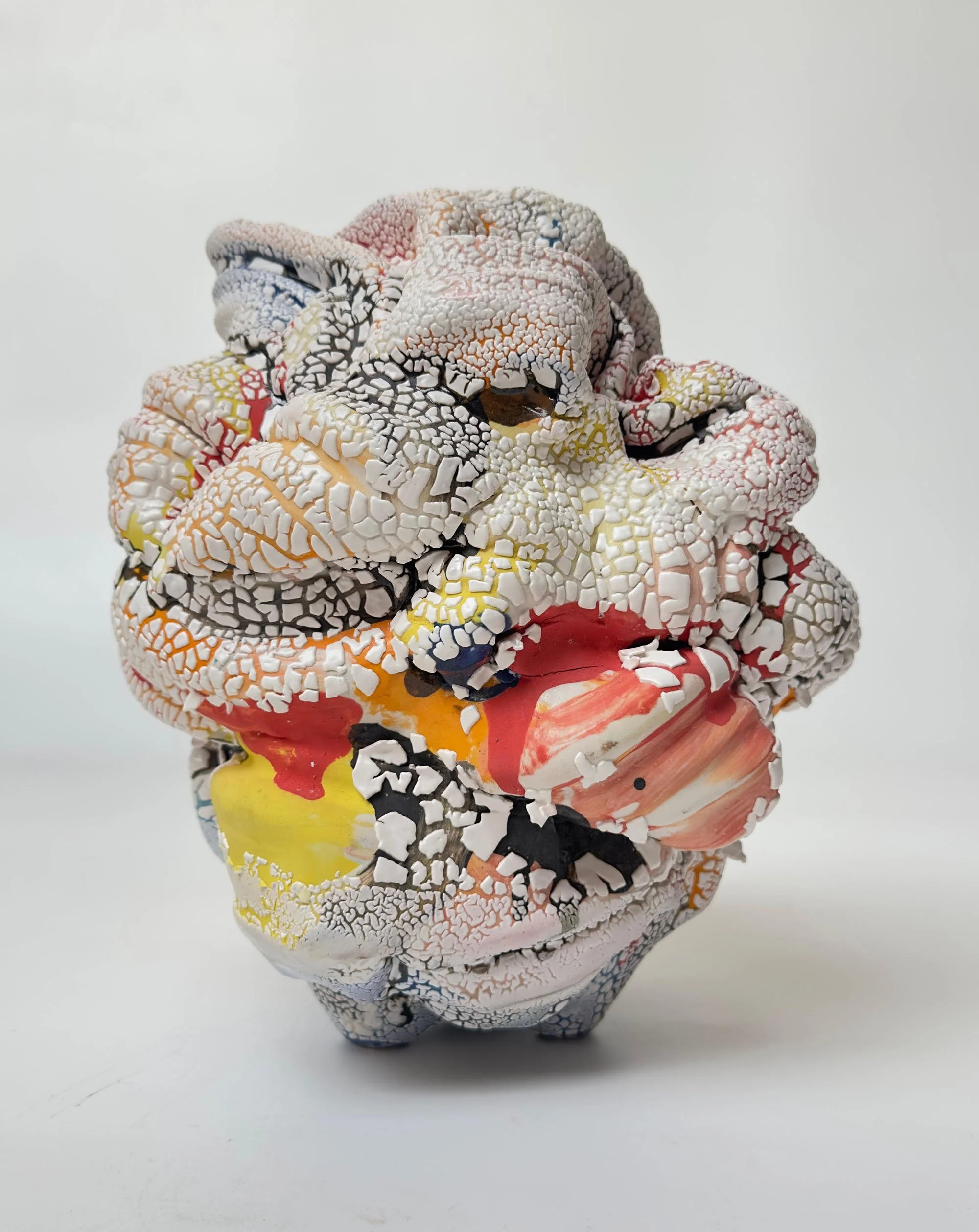
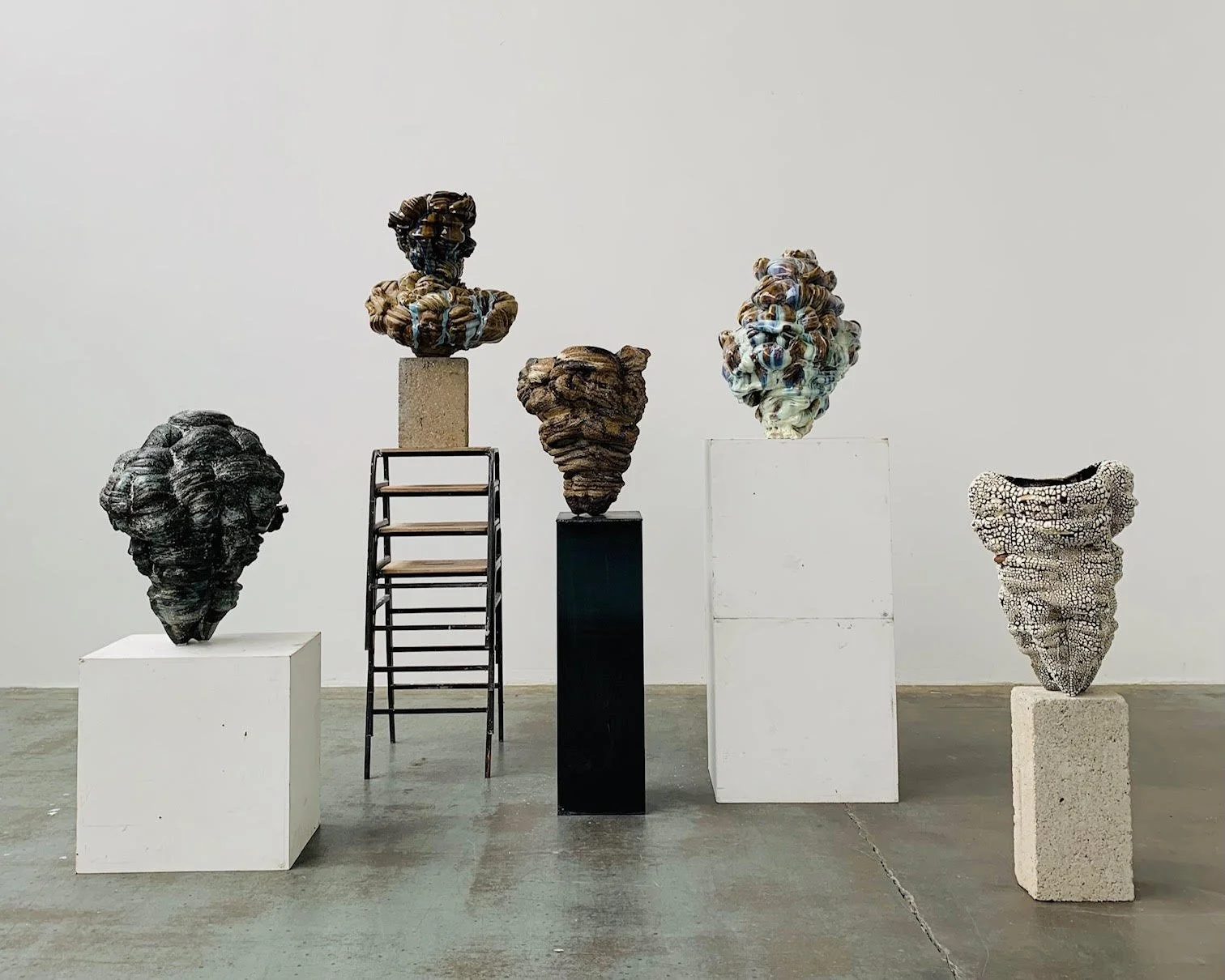
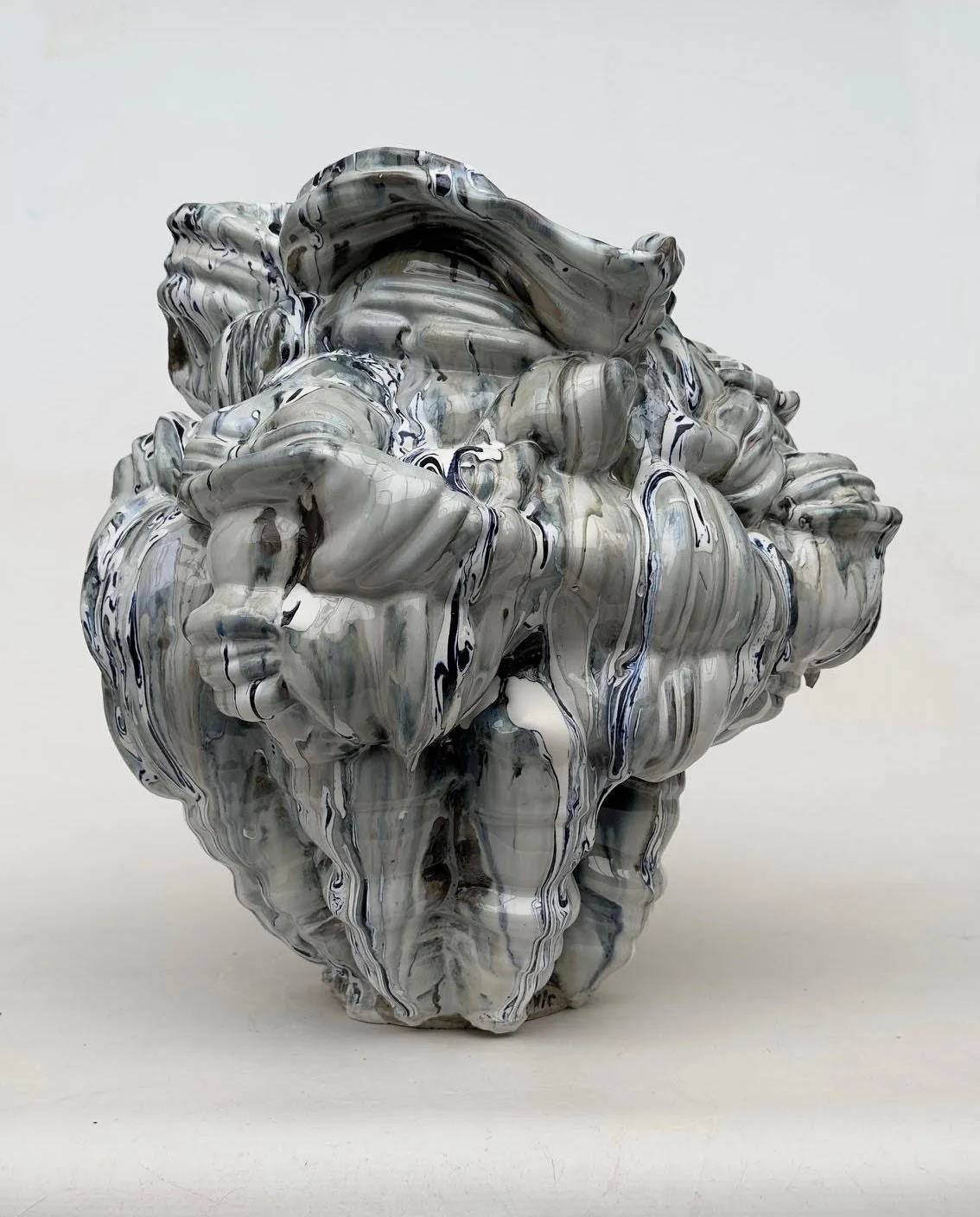
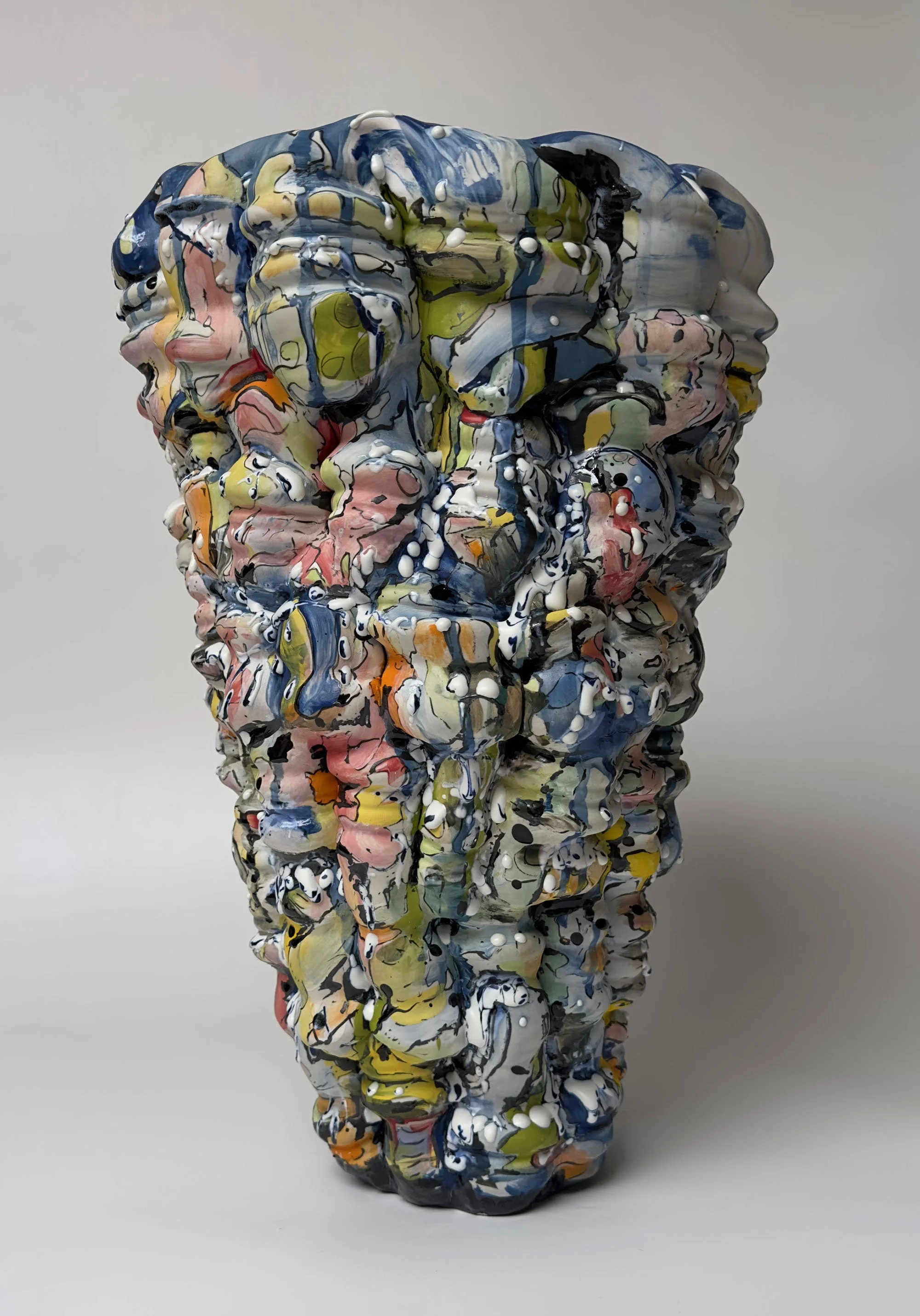
I’m Oriel Zinaburg, an Israeli-born artist based in London. My background spans both fine art and architecture, having studied in Jerusalem and later at the Architectural Association in London. My practice sits somewhere between those disciplines—I work primarily in ceramics, creating large-scale vessels that explore form, structure, and material. Much of my work is rooted in memory, particularly experiences of landscape, and how those impressions can be translated into physical form.
Why do you also have a thing with ceramics?
Ceramics allows me to work in a very direct and physical way. Clay holds memory—it records every gesture, every pressure, every movement. That immediacy is something I don’t find in other materials. I’m drawn to the balance it offers between control and unpredictability: I can shape and guide the form, but processes like firing and glazing introduce chance. The kiln becomes a collaborator, and that tension is central to my work.
When did ceramics come into your life?
Ceramics became a significant part of my practice after my earlier studies in fine art and architecture. While architecture sharpened my understanding of structure and space, I was looking for a more tactile and intuitive way of working. Clay offered that shift—it allowed me to move away from purely conceptual planning into something more immediate and responsive. Over time, it became my primary medium.
Where can we find you on a typical day?
On a typical day, I’m in the studio—working through the physical process of hand building, shaping, and refining forms. The practice is quite immersive and often repetitive, involving layering, tearing, and assembling clay. There’s also a quieter side to the day: observing, stepping back, and responding to how the work evolves, especially through different stages like drying and firing.
What are your plans for the future?
I want to continue pushing the scale and complexity of my work, exploring how far the material can be stretched—both physically and conceptually. I’m interested in deepening the relationship between landscape, memory, and form, and possibly expanding into more spatial or installation-based work. At the same time, I want to keep embracing the unpredictability of the process, allowing the material and the kiln to play an active role in shaping the outcome.