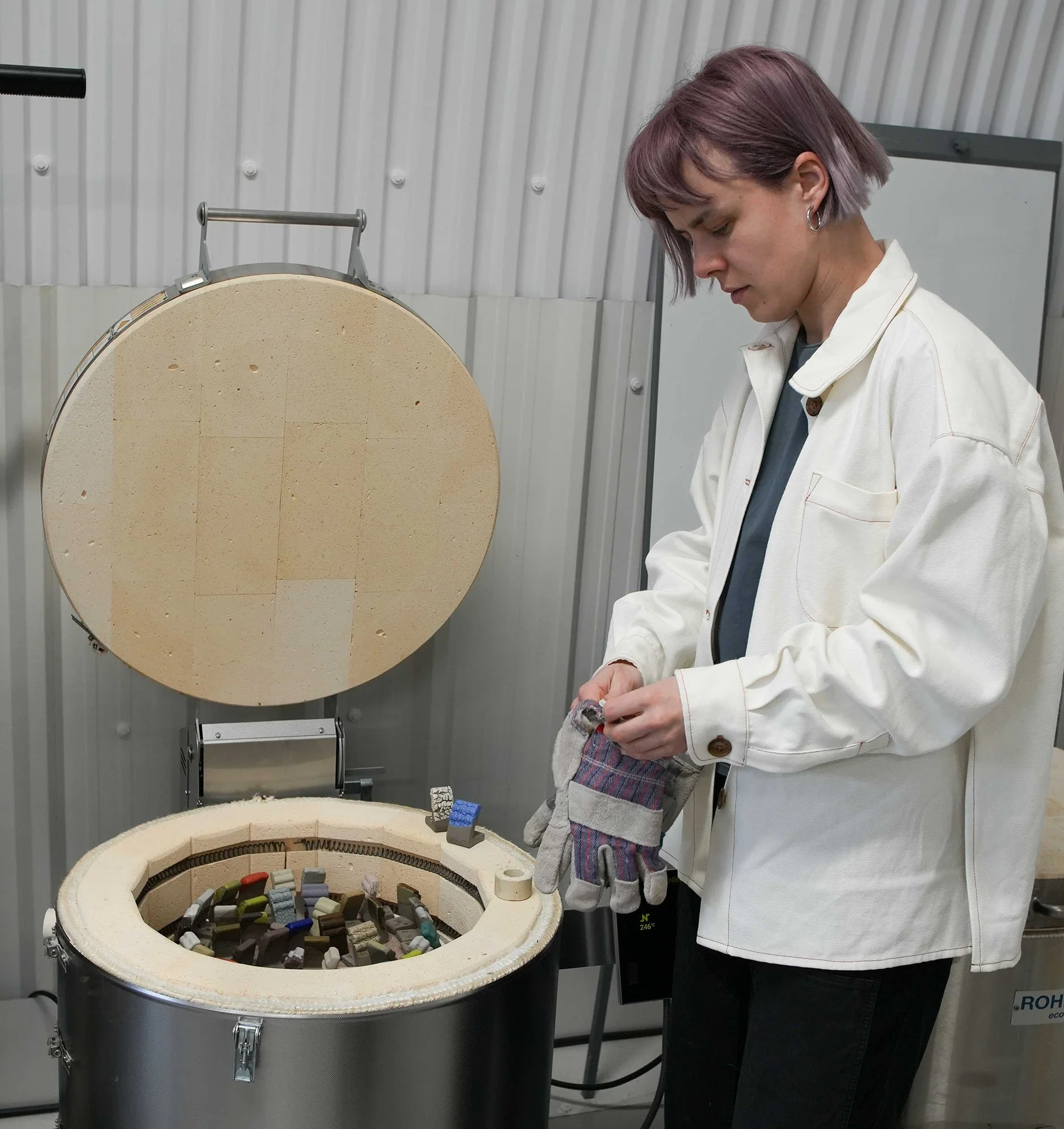
Elena Gileva, founder of GLOST glaze
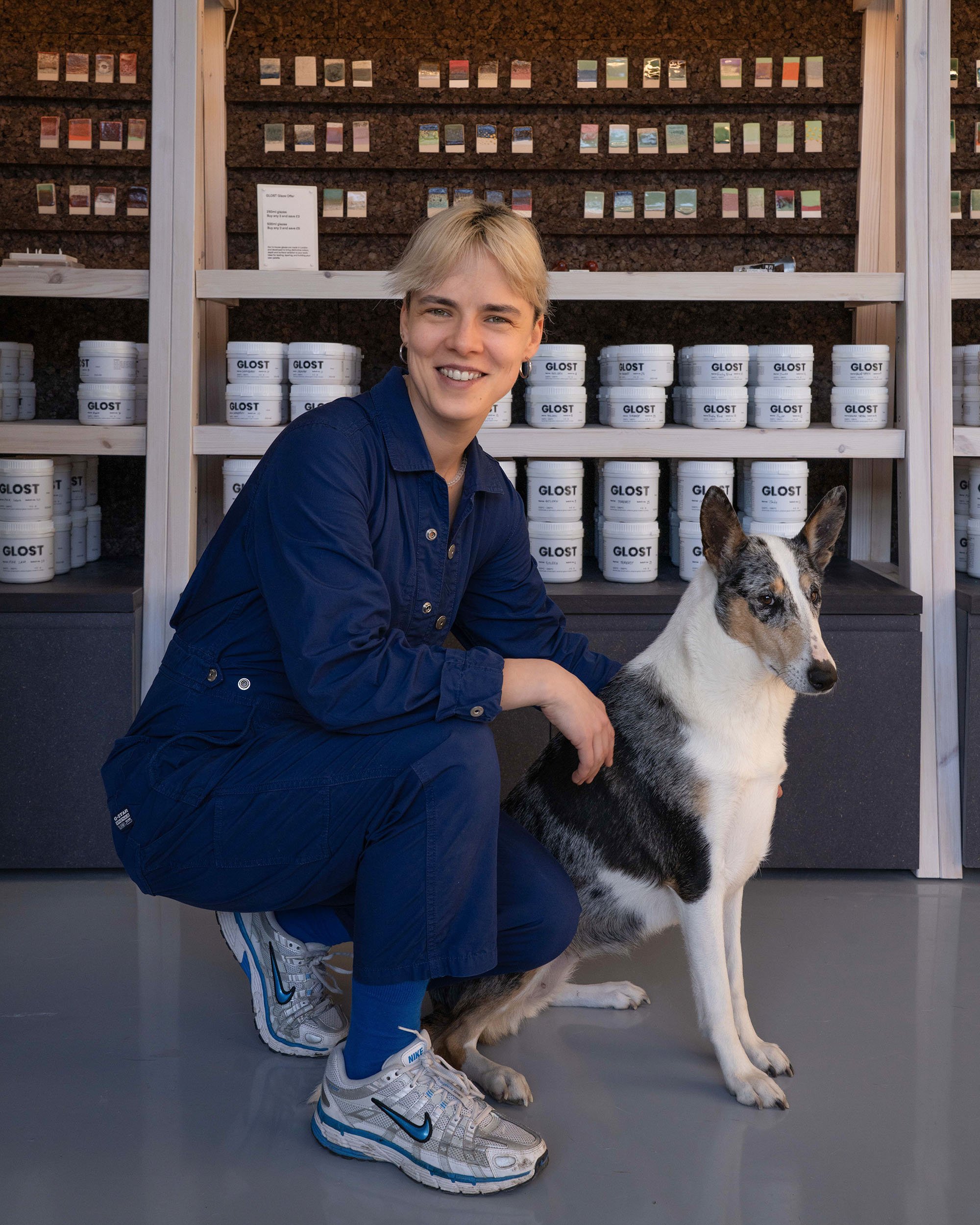
Discover Elena, founder of GLOST - artisanal brush-on glazes for ceramic sculpture and pottery, expertly crafted in Peckham, London for vibrant, smooth finishes.
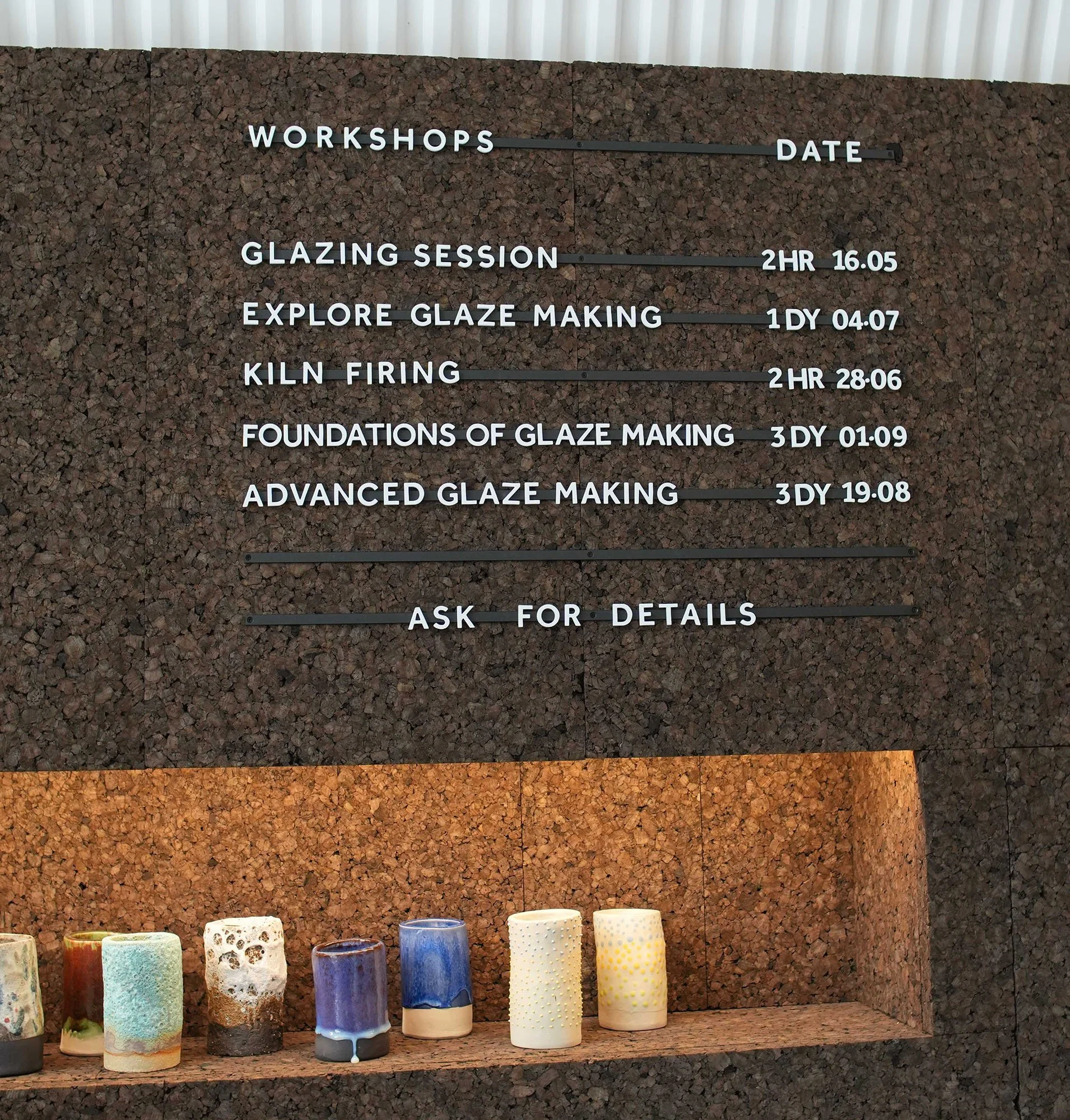
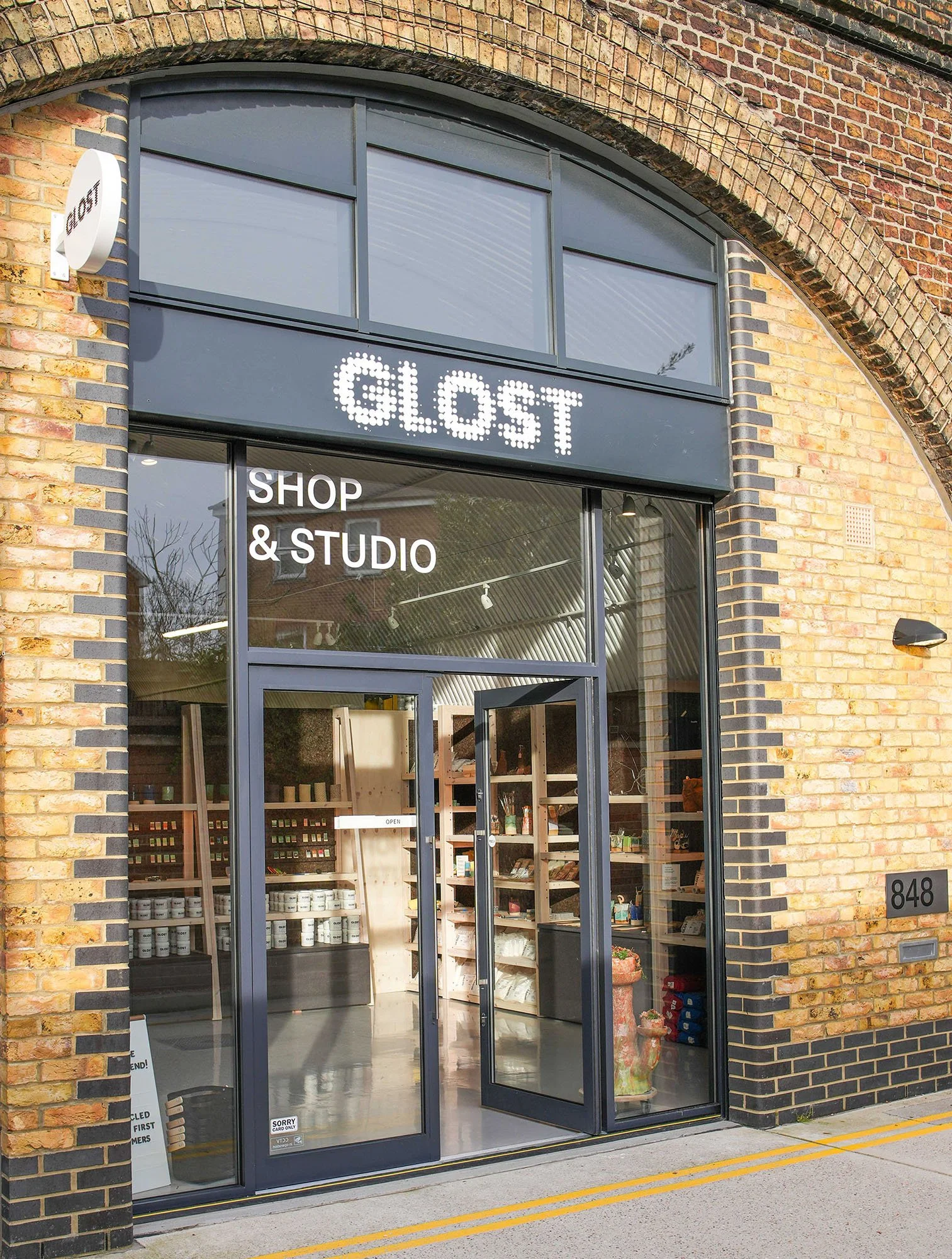
GLOST grew out of nearly two decades of Elena practising and experimenting with glazes (read on to discover more about that). The brand is artist-led and small-batch and she also offers workshops and has a shop - a place for makers to learn, ask questions, and build a relationship with their materials.
Who are you?
I'm Elena Gileva, founder of GLOST. Before GLOST, I worked for years as a sculptor. Clay has been my material since I was a child, taking evening classes after school, and then more seriously through A levels at a college in Russia where I trained in traditional 19th century sculpting techniques. From there I went to Paris for a fine art BA, where I kept working with clay, though it wasn't yet the centre of my practice. Back then it was minimal earthenware, no glazes.
For nearly ten years now I've also been teaching, since finishing my MA at the Royal College of Art. Teaching has run alongside everything else, and it's shaped how I think about glaze just as much as making has. GLOST is the place where the sculpture, the teaching, and the years of glaze research finally sit in one room.
Why do you also have a thing with ceramics?
Technically, if I count my education, I've been in ceramics for about twenty years. At this point I don't really know how to operate outside it. I'm not making and exhibiting my own work the way I used to, but it's still the field I live in, the conversations I have, the materials I think about. It's less a "thing" I have and more the ground I stand on.
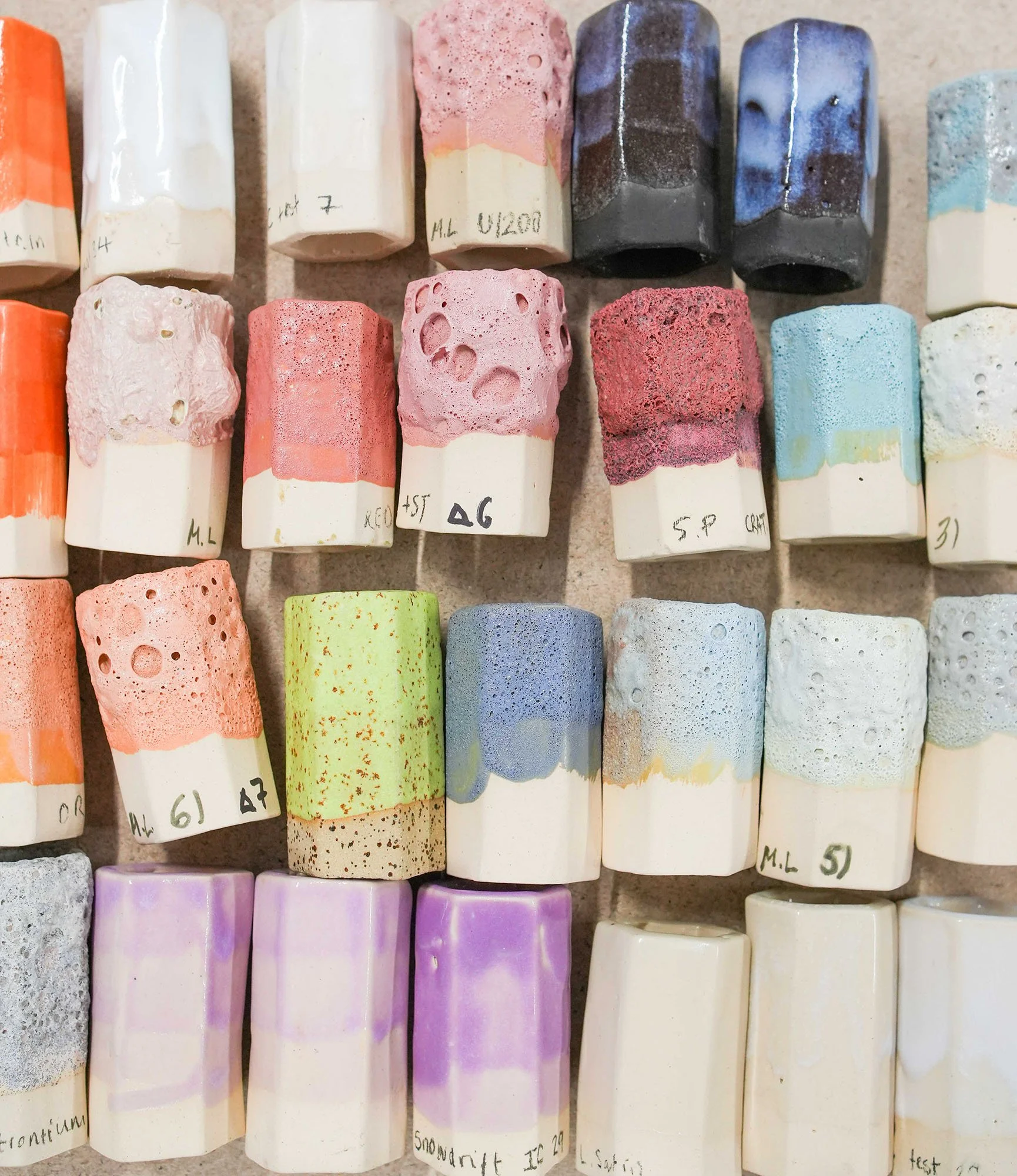
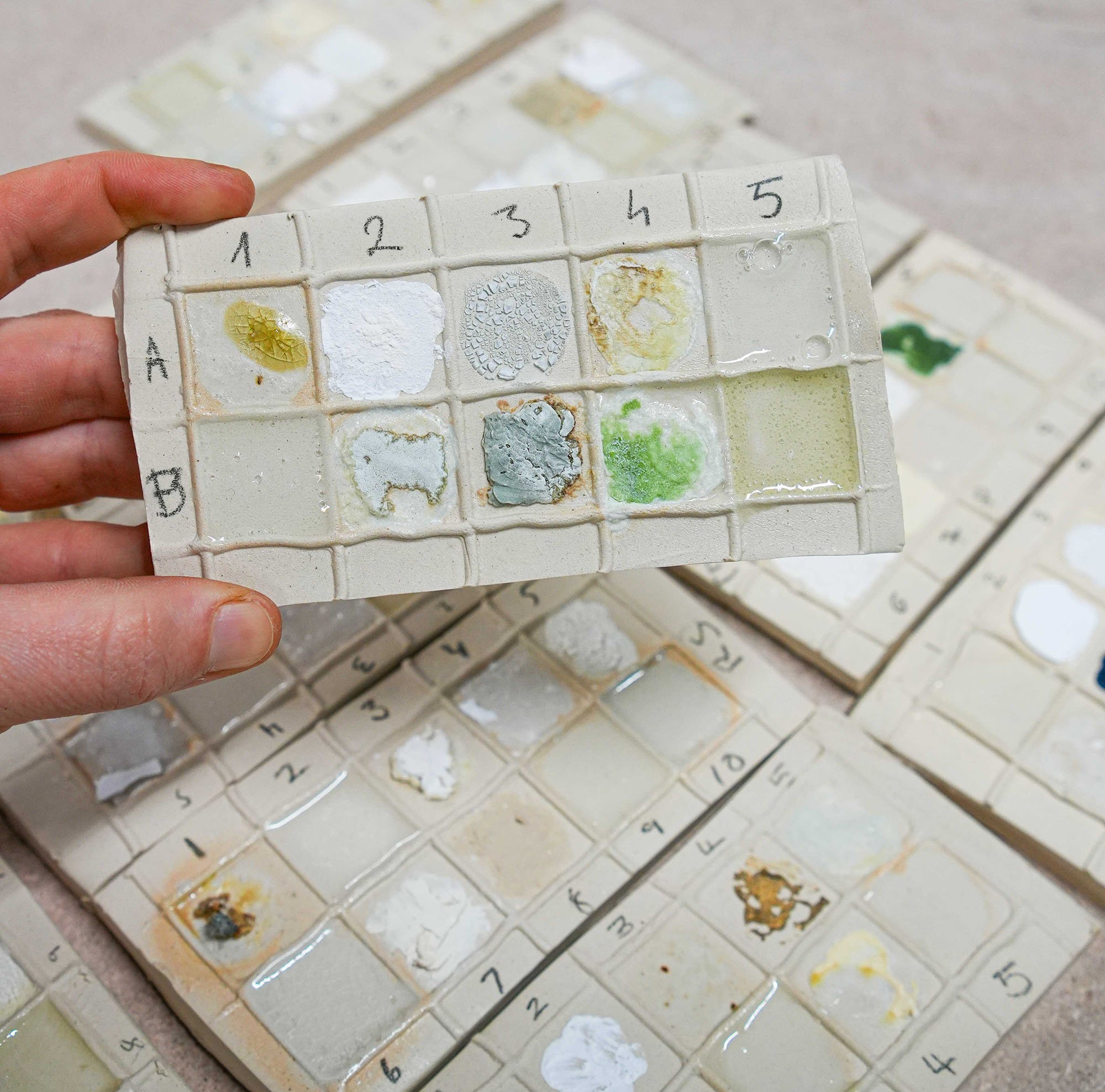
What keeps me here is the chemistry. A glaze is a small landscape of silica, alumina, fluxes, and colourants, and shifting one number by a fraction can move a matte surface into a gloss, or a stable green into something else entirely. The kiln has the final word, always. That part hasn't got less interesting in twenty years.
When did ceramics come into your life?
In stages. As a child I took evening clay courses after school. At A level I trained at a college in Russia in traditional 19th century sculpting, very formal, very old school. Then I moved to Paris for my fine art BA, where I always worked with clay, but it wasn't the focus yet, and there were no glazes in what I was doing, only minimal earthenware.
The turning point was Japan. My family was living there in the 2010s, and visiting them opened up a whole ceramic culture I hadn't seen before. That led me to apply for an artist residency at the Shigaraki Ceramic Cultural Park, where I spent three months in 2014. By the end of it I had decided ceramics was what I wanted to commit to. That decision is what brought me to London, to do an MA in Ceramics and Glass at the Royal College of Art. Everything since has come out of that.
Where can we find you on a typical day?
In the studio in Peckham, but probably not doing what people assume. Most of my time goes on planning and admin rather than experimenting with glazes, which is the thing most people picture when they think about what I do. Three years into GLOST I'm finally learning to delegate, and to carve out proper space for the creative and research side again.
I'm not on the shop floor much. The team handles the day-to-day customer side, which frees me up for the work that only I can do: recipe development, teaching, writing, planning what comes next.
What are your plans for the future?
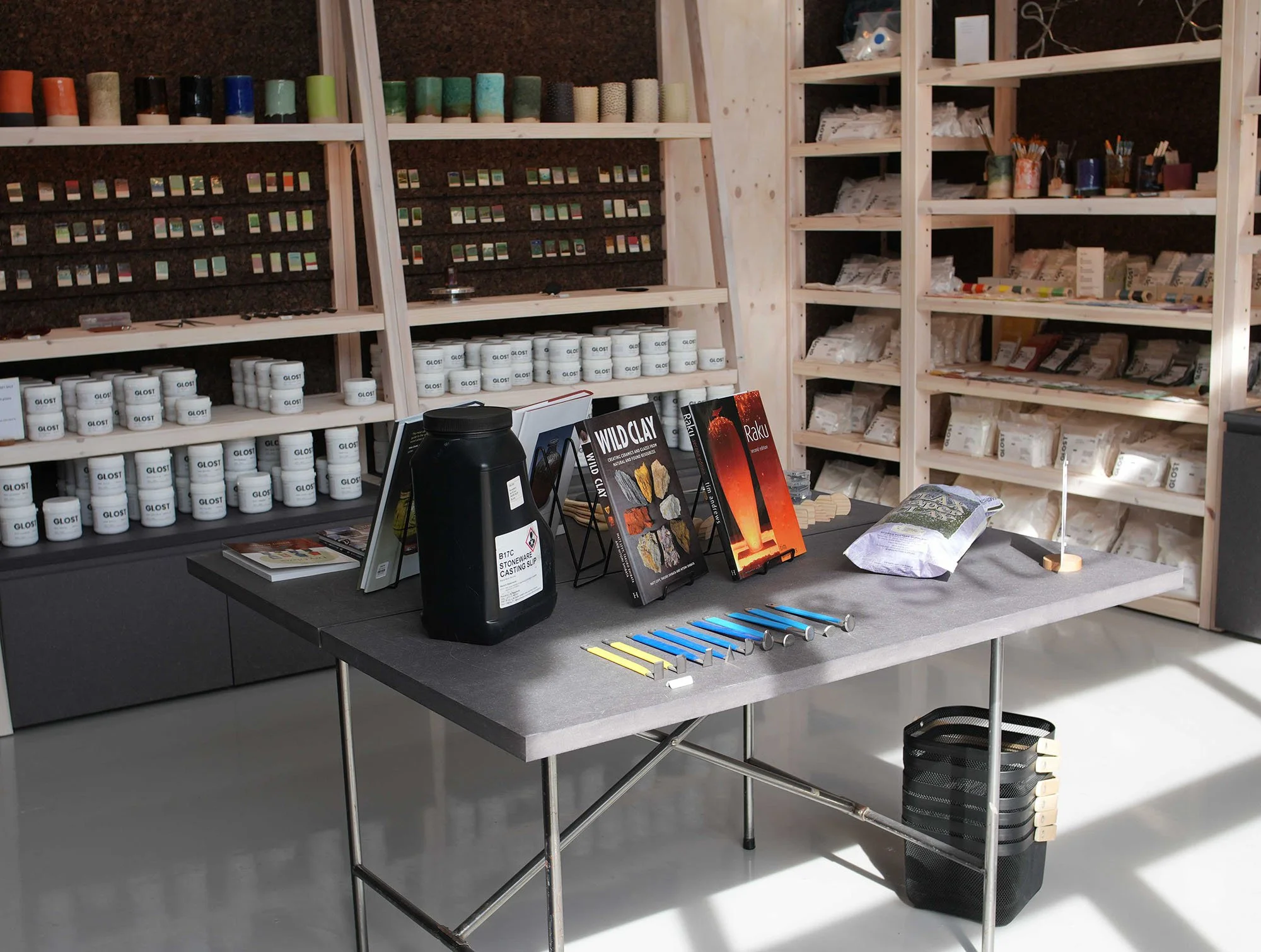
I want GLOST to settle into something more stable and more independent, with a wider offer to the ceramic community than just glazes and workshops. I'd like to host more events, and I have an idea about turning part of the studio into something closer to a reading room, a place with ceramic books and coffee, where people can spend time with the material side of the field outside of a class.
Later this year I'm travelling to Jingdezhen, Japan, and Korea. It's mainly a learning and sourcing trip, looking at tools, stains, and other supplies for the shop, and spending time with makers and traditions I want to understand better. What I bring back will feed into the next year of GLOST in ways I can't fully predict yet, which feels about right for how this brand works.